Uterus Movie

Uterus Movie

Uterus Movie: A Deep Dive into Women's Health and Reproductive Health

At Asuta Clinic, we are committed to providing the latest medical insights and treatments for women’s health. One of the topics that has sparked growing interest in the medical community is the concept of a Uterus Movie. This fascinating procedure offers valuable insights into the female reproductive system, helping doctors diagnose conditions that may affect the uterus and overall reproductive health.

What is a Uterus Movie?

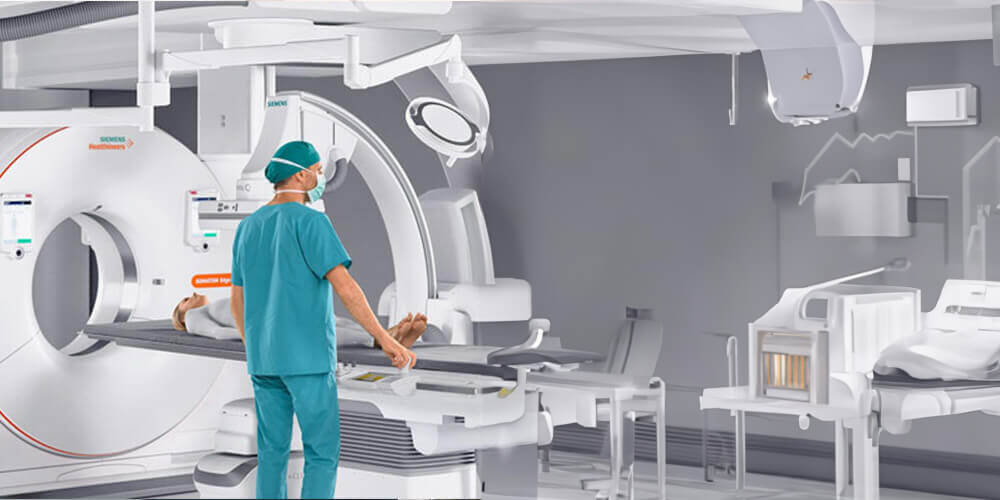
A Uterus Movie, also known as a hysterosalpingography (HSG), is an advanced diagnostic imaging technique that provides a detailed view of the uterus and fallopian tubes. The procedure involves using a special dye injected into the uterus while X-ray images are taken. This process allows doctors to detect abnormalities, blockages, or structural issues that may impact fertility, menstrual cycles, or cause pain.

Why is a Uterus Movie Important?

This diagnostic tool is crucial for identifying a wide range of reproductive health issues. Here are some of the conditions that can be evaluated through a Uterus Movie:

  • Blocked Fallopian Tubes: One of the most common causes of infertility in women. A blocked tube can prevent the egg and sperm from meeting.
  • Uterine Abnormalities: Including fibroids, polyps, or congenital structural issues that might affect fertility or lead to miscarriage.
  • Recurrent Miscarriages: A Uterus Movie can help detect any physical abnormalities within the uterus that may be contributing to recurrent pregnancy loss.
  • Infertility Diagnosis: For couples struggling to conceive, an HSG can provide valuable information about the reproductive system’s health.

Let Us Call You

Enter your phone number in the field below and we will call you as soon as possible to inform you.


    How is the Uterus Movie Performed?

    The procedure is relatively simple and typically performed in a hospital or clinic setting. Here’s what you can expect during a Uterus Movie procedure:

    1. Preparation: The patient will be asked to lie on an exam table, and a mild sedative may be administered to help with relaxation.
    2. Dye Injection: A small catheter will be inserted through the cervix into the uterus, and a contrast dye will be injected. This dye will outline the uterine cavity and fallopian tubes on X-ray images.
    3. X-ray Imaging: X-ray images are captured while the dye moves through the uterus and tubes, providing a detailed view of the reproductive organs.
    4. Post-Procedure Care: After the procedure, the patient may experience mild cramping or spotting, which usually resolves on its own.

    What to Expect After the Uterus Movie?

    While the procedure is generally quick and minimally invasive, there are a few things to keep in mind afterward:

    • Mild Discomfort: Some women experience cramping or light bleeding for a day or two after the procedure.
    • Results: The doctor will review the X-ray images and discuss the results with you, outlining any potential issues and next steps for treatment or management.
    • Timing: It’s recommended to schedule the procedure during the first half of the menstrual cycle, usually after the period ends but before ovulation.

    Benefits of Uterus Movie in Fertility Treatments

    The Uterus Movie is an invaluable tool for women trying to conceive. By identifying blockages, abnormalities, and other reproductive issues, it allows doctors to create a more targeted fertility treatment plan. Whether it’s through surgery, medication, or assisted reproductive technologies like IVF, knowing the exact condition of the uterus and fallopian tubes can significantly improve the chances of a successful pregnancy.

    Is a Uterus Movie Safe?

    Yes, a Uterus Movie is generally safe and well-tolerated. However, like any medical procedure, there are some risks, including:

    • Infection: Though rare, there is a slight risk of infection from the catheter insertion.
    • Allergic Reaction: Some women may have an allergic reaction to the contrast dye, though this is uncommon.
    • Pain or Discomfort: Some patients report mild cramping during or after the procedure.

    Your doctor at Asuta Clinic will take all necessary precautions to minimize these risks and ensure your safety throughout the process.